

Certified, documented, and secure from pickup to final disposition.
When you recycle e-waste with Jupiter, you can rest assured that you’re not only choosing a safe option, you’re also choosing the best-in-class option. With facilities around the country, innovative processes, sophisticated sorting equipment, and the very highest levels of industry certification, we’re able to maximize value return while mitigating the inherent risks associated with e-waste recycling.
From the customer point of view, e-waste recycling might look the same whether it is being done properly or improperly. A truck shows up to your facility, you receive paperwork from a certified recycling vendor saying you disposed of your e-waste legally, and that is that. But the truth is once that truck leaves the loading dock, the process can unfold in a variety of ways—some of which are not only disappointing, but in clear violation of recycling regulations.
Most common: The certified recycling vendor sells your e-waste to a broker, and then loses all visibility into where that waste goes. Sometimes it is disposed of legally. Often though, it is shipped overseas to less regulated countries where it is then disposed of using acid baths or open-air burning.
This is clearly unacceptable, and steps have been taken by international regulatory organizations to address the issue but resolving it will take time. In the meanwhile, the only remedy for a company seeking to dispose of their e-waste in an ethical manner is to ensure they choose recycling firms that can prove they are doing things correctly.
Here’s what you can expect when you trust Jupiter with your end-of-life electronic devices.
The moment e-waste leaves your facility is the moment it’s most exposed. Devices that still hold sensitive data are loaded onto a truck and moved through public roads, and any gap in custody along the way, whether a missed item, an unattended vehicle, or a handoff to a third party, can put your data and your compliance standing at risk. That’s why we treat pickup and transport as the first step of the recycling process, not a logistics afterthought. Your equipment is documented and inventoried at pickup, transported directly to our facility in secured vehicles, and never passed to a subcontractor or broker along the way. The result is an unbroken chain of custody from your loading dock to our warehouse floor, so you know your equipment arrived exactly as it left.
Once your equipment arrives, it’s checked in against the pickup inventory, so any discrepancy is caught right away. From there, each asset is sorted by type, condition, and potential value. Equipment with remaining life is tested, graded, and routed toward refurbishment and resale. Items that have reached the end of their useful life are sent to be processed, first in the form of data destruction, then with our shredding and sorting equipment.
Your retired devices carry more than old software. They carry sensitive data — and the liability that comes with it. Jupiter's certified data destruction and sanitization services ensure that data is gone for good, in full compliance with federal and state regulations. We offer both on-site destruction (performed at your facility, witnessed by your team if desired) and off-site processing at our nationwide locations. Our methods include shredding, degaussing, data wiping/erasure, incineration, and dual-method combinations. We complete the process by providing auditable reporting in the form of asset-level documentation and certificates of data erasure or destruction.
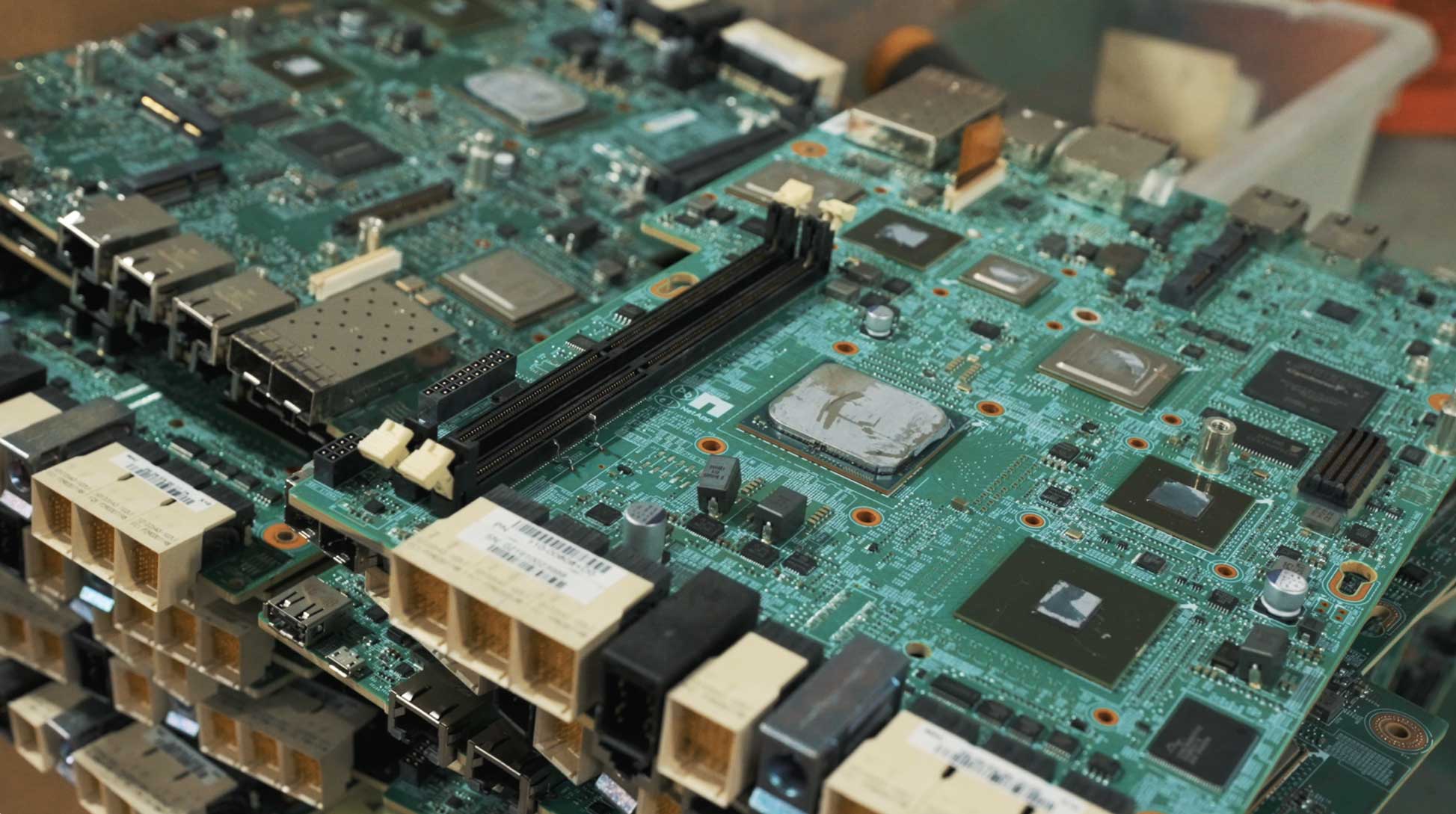
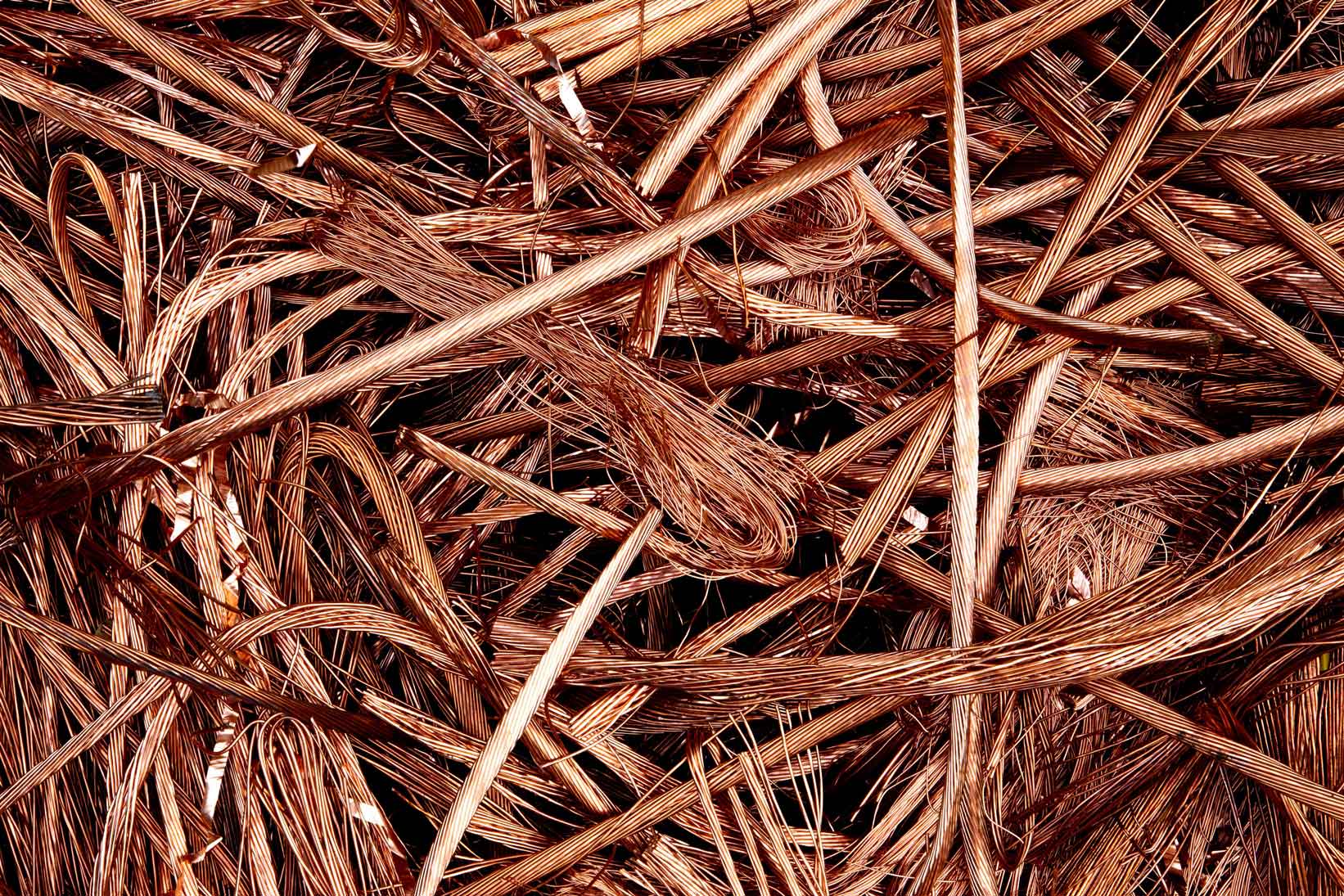
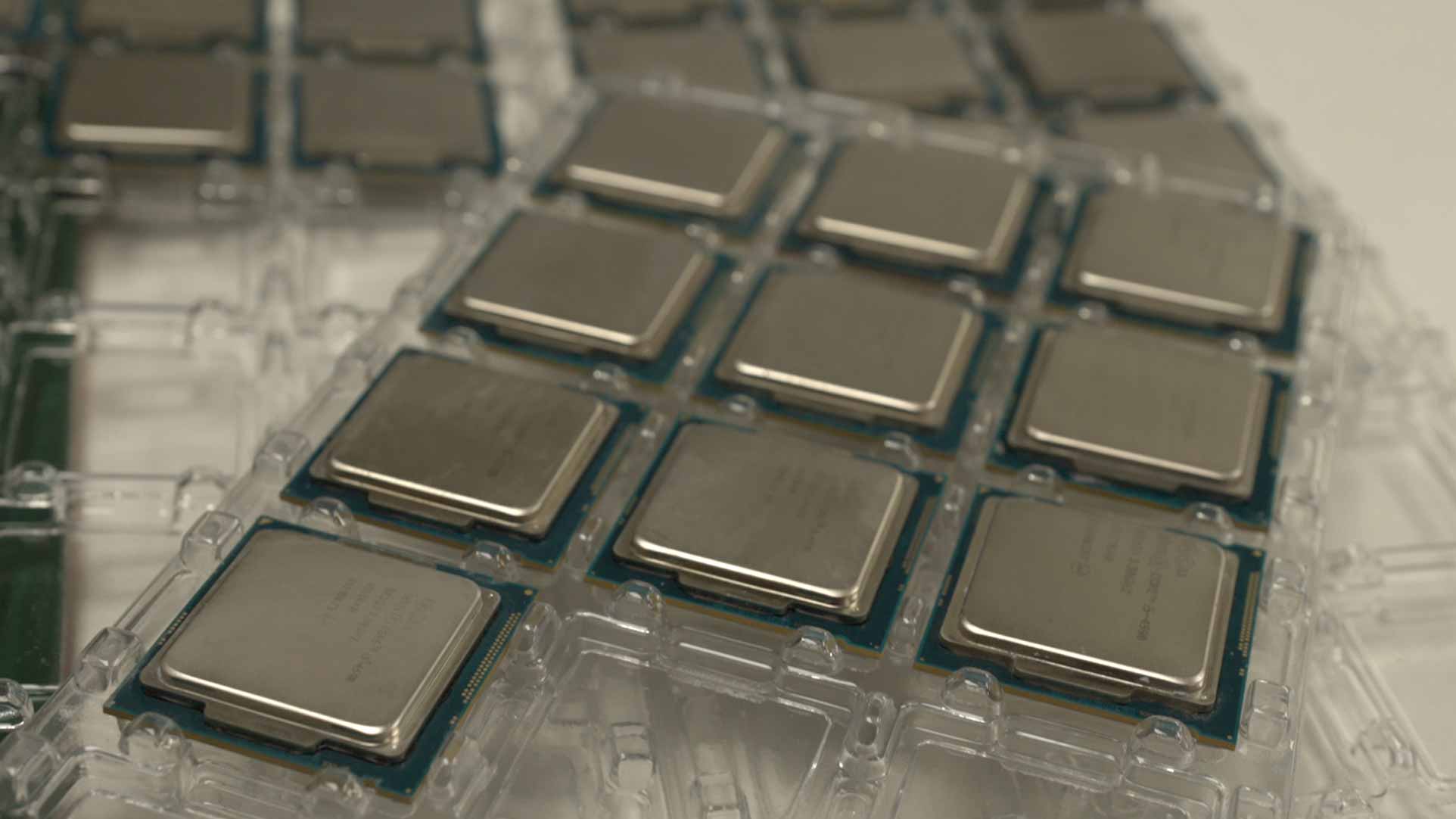
After triage, equipment that has reached the end of its useful life moves to our shredding and sorting line. Devices are mechanically shredded into small fragments, which breaks them down and makes the materials inside accessible. Our AI-powered sorting equipment then separates the output with a level of precision manual sorting can’t match, identifying and isolating metals, plastics, and other materials by type. The cleaner the separation, the more material can be recovered and the less ends up as waste.
When shredding and sorting are complete, the sorted materials move to Korea Zinc facilities for smelting. This is where Jupiter stands apart. Most providers lose control of materials long before they reach a smelter, selling them to brokers who send them wherever the price is highest. Because Korea Zinc owns Jupiter, your materials stay within one company from the moment they leave your dock until the metals are refined. That ownership lets us direct where recovered metals go, including rare earths, so they return to the supply chain through channels we control and not through the open market. For customers, that means complete accountability, with no gaps in the chain and no question about where your equipment ended up.
Data breaches don't only happen on the network. They happen when a decommissioned hard drive ends up in the wrong hands. Our chain of custody process closes that gap. Every device is inventoried and tagged at pickup, then tracked at each stage of processing. Nothing moves without being recorded — and nothing is destroyed without being accounted for. We maintain accountability and traceability throughout asset collection, transportation, processing, and final disposition.
Data breaches don't only happen on the network. They happen when a decommissioned hard drive ends up in the wrong hands. Our chain of custody process closes that gap. Every device is inventoried and tagged at pickup, then tracked at each stage of processing. Nothing moves without being recorded — and nothing is destroyed without being accounted for. We maintain accountability and traceability throughout asset collection, transportation, processing, and final disposition.
Here’s what you can expect when you trust Jupiter with your end-of-life electronic devices.
The moment e-waste leaves your facility is the moment it’s most exposed. Devices that still hold sensitive data are loaded onto a truck and moved through public roads, and any gap in custody along the way, whether a missed item, an unattended vehicle, or a handoff to a third party, can put your data and your compliance standing at risk. That’s why we treat pickup and transport as the first step of the recycling process, not a logistics afterthought. Your equipment is documented and inventoried at pickup, transported directly to our facility in secured vehicles, and never passed to a subcontractor or broker along the way. The result is an unbroken chain of custody from your loading dock to our warehouse floor, so you know your equipment arrived exactly as it left.
Once your equipment arrives, it’s checked in against the pickup inventory, so any discrepancy is caught right away. From there, each asset is sorted by type, condition, and potential value. Equipment with remaining life is tested, graded, and routed toward refurbishment and resale. Items that have reached the end of their useful life are sent to be processed, first in the form of data destruction, then with our shredding and sorting equipment.
Your retired devices carry more than old software. They carry sensitive data — and the liability that comes with it. Jupiter's certified data destruction and sanitization services ensure that data is gone for good, in full compliance with federal and state regulations. We offer both on-site destruction (performed at your facility, witnessed by your team if desired) and off-site processing at our nationwide locations. Our methods include shredding, degaussing, data wiping/erasure, incineration, and dual-method combinations. We complete the process by providing auditable reporting in the form of asset-level documentation and certificates of data erasure or destruction.
After triage, equipment that has reached the end of its useful life moves to our shredding and sorting line. Devices are mechanically shredded into small fragments, which breaks them down and makes the materials inside accessible. Our AI-powered sorting equipment then separates the output with a level of precision manual sorting can’t match, identifying and isolating metals, plastics, and other materials by type. The cleaner the separation, the more material can be recovered and the less ends up as waste.
When shredding and sorting are complete, the sorted materials move to Korea Zinc facilities for smelting. This is where Jupiter stands apart. Most providers lose control of materials long before they reach a smelter, selling them to brokers who send them wherever the price is highest. Because Korea Zinc owns Jupiter, your materials stay within one company from the moment they leave your dock until the metals are refined. That ownership lets us direct where recovered metals go, including rare earths, so they return to the supply chain through channels we control and not through the open market. For customers, that means complete accountability, with no gaps in the chain and no question about where your equipment ended up.
Data breaches don't only happen on the network. They happen when a decommissioned hard drive ends up in the wrong hands. Our chain of custody process closes that gap. Every device is inventoried and tagged at pickup, then tracked at each stage of processing. Nothing moves without being recorded — and nothing is destroyed without being accounted for. We maintain accountability and traceability throughout asset collection, transportation, processing, and final disposition.
Jupiter is recycling e-waste correctly and we can prove it. You see, we're a subsidiary of Korea Zinc — the world's largest nonferrous metal smelter — and KZ wants as much e-waste as they can acquire to feed into their refining operations.
So unlike other recycling companies that are burdened with figuring out how to get rid of the e-waste they take in, we are financially incentivized to keep that waste. We track it meticulously, provide chain of custody documentation, and refine everything we can in order to return the maximum amount of metal to the industrial supply chain.
While all sustainability certifications are important, not all are equal. The most commonly known are R2 and eStewards. You see mention of R2 frequently because over 1,200 companies are R2 certified worldwide.
Compare that to eStewards, which certifies fewer than 50 recyclers in the United States. Fifty. And Jupiter is proud to be one of them. In order to earn that certification we had to go through a nine-step process that included earning certification from other governing bodies, including the NAID AAA certification, RIOS, and ISO 4001.
In order to maintain the eStewards certification, we are subject to their proprietary Performance Verification Program which includes both unannounced inspections and the random use of EarthEye™ GPS tracking to ensure that electronic equipment goes only to destinations pre-approved under the terms of the e-Stewards Standard. The Performance Verification program also includes a Critical Non-Conformity Policy, that allows for the e-Stewards Administrator to remove or suspend e-Stewards for egregious willful violations of the standard.