

The industry's trusted partner for certified solar panel recycling.
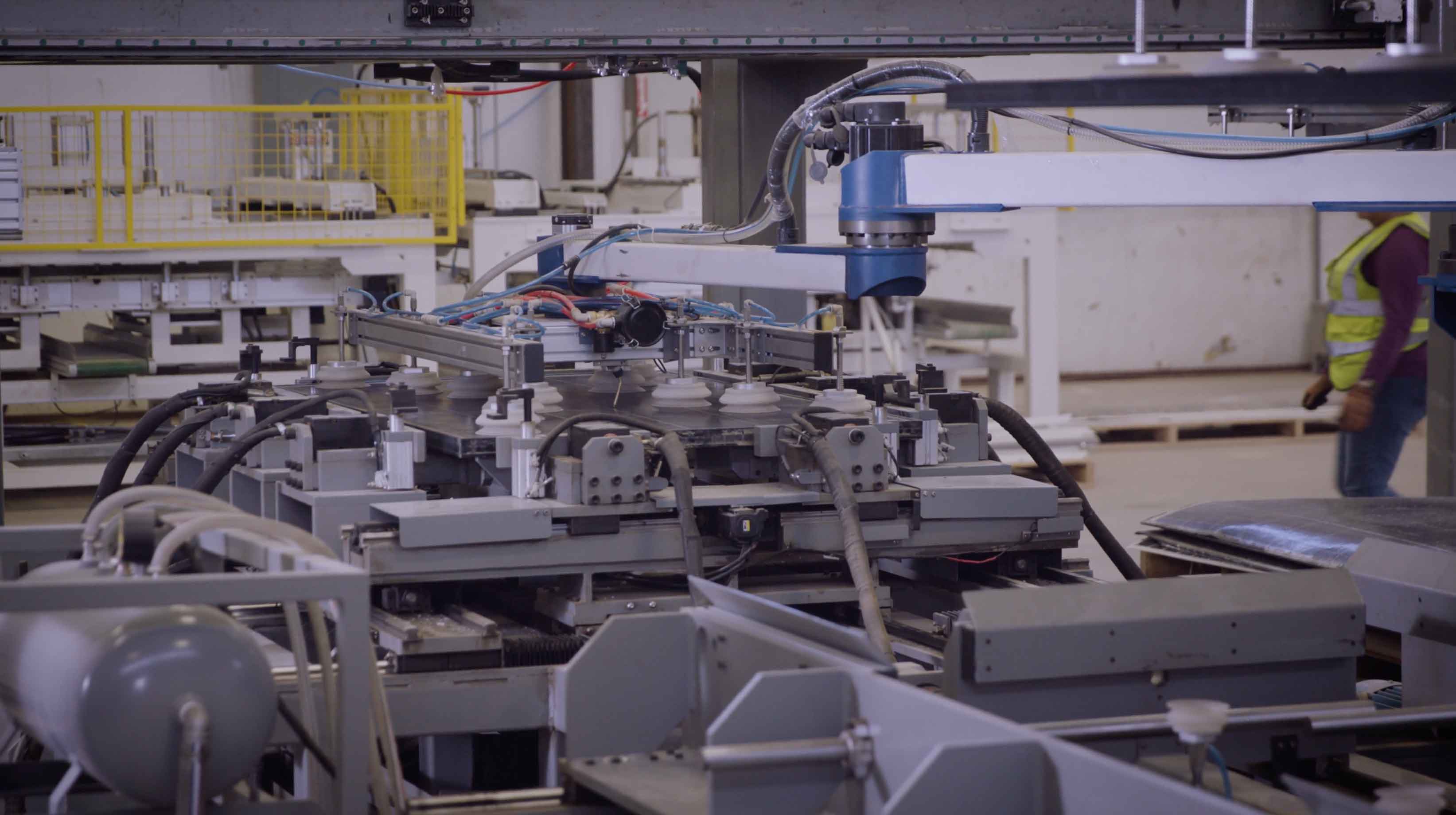
Jupiter handles every step between your site and final material refinement: from onsite preparation and transportation, to recycling, material recovery and refining. All backed by a comprehensive Environmental Impact Report and a Certificate of Recycling.
Solar panel recycling and material recovery
Onsite labor, supervision, and site-specific load plans
Transportation and reverse logistics
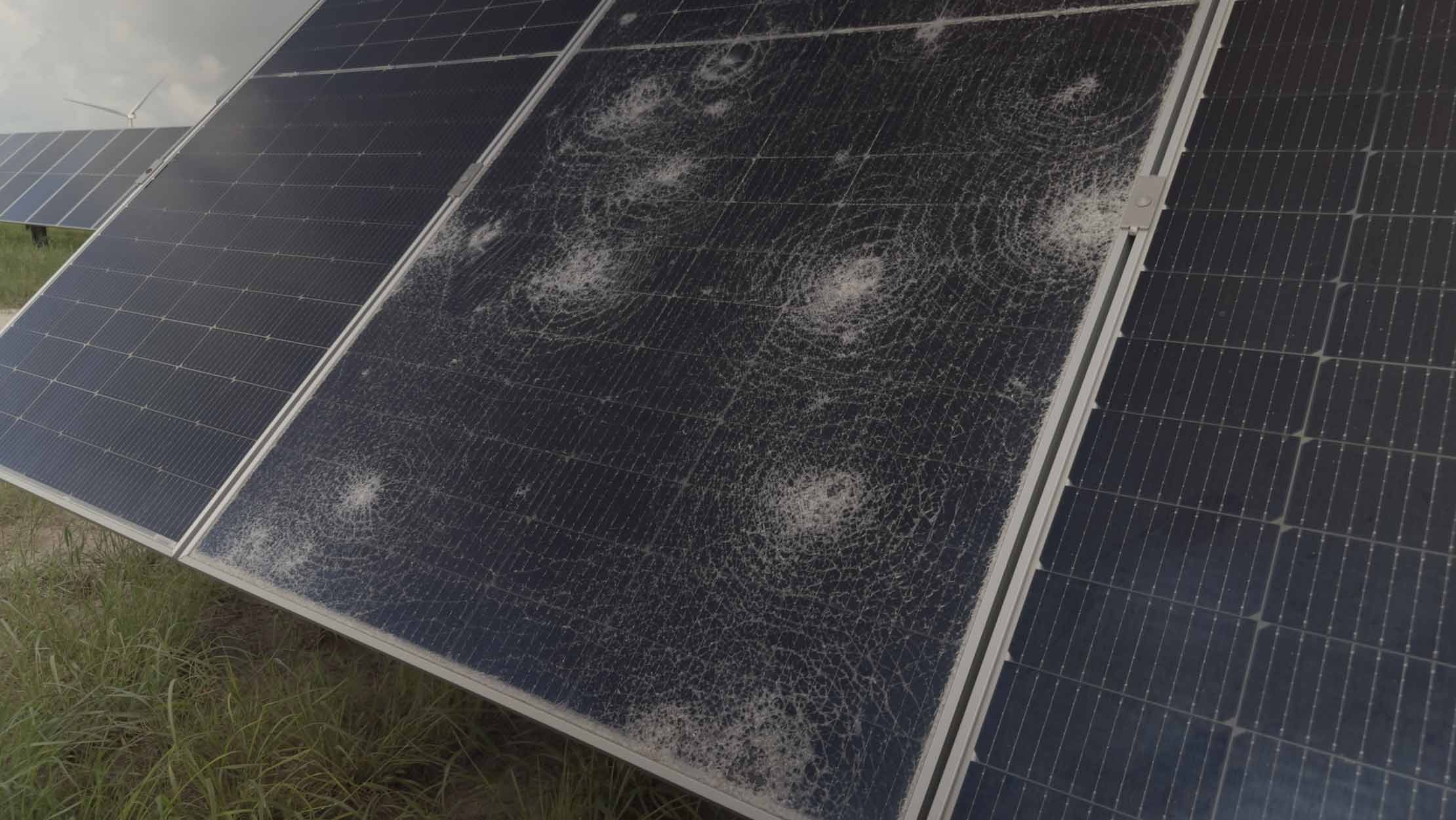
Damaged and broken panel recycling
Repowering and decommissioning support
Certificates of Recycling and Environmental Impact Reporting
Toxicity testing, TCLP, and module data archive
Recycling for inverters, transformers, and other electrical equipment
including commercial, industrial, and utility-scale.
managing construction breakage or project closeout.
handling warranty returns and obsolete inventory.
building repeatable recycling programs.
managing large-volume, multi-site portfolios
implementing sustainability goals.
Disposing of solar panels at commercial and utility scale involves more than just moving equipment off site. Whether you're managing new construction, storm-damaged modules, a repowering project, or a full asset decommissioning, every project presents its own logistical, environmental, and compliance considerations.
Jupiter provides a direct path from retired solar panels to valuable recovered materials. Through our vertically integrated recycling and recovery operations, we help asset owners and power providers manage the movement and processing of end-of-life modules while maintaining control over their downstream pathway.
The result is a more controlled, transparent approach to solar panel disposal that simplifies project execution, strengthens downstream accountability, and keeps valuable materials in circulation.
Aligning collection, transportation, and processing requirements with your project's scale, schedule, and site conditions.
Recovering valuable resources, including glass, aluminum, silicon, silver, and copper, for reuse in new products and manufacturing.
A certified, vertically integrated pathway for recovered material streams, rather than a fragmented disposal network.
A solar project includes more than solar panels. Jupiter also recycles electrical balance of system (EBOS) equipment, giving asset owners a single recycling partner for the broader project rather than separate vendors for each equipment stream. Consolidating EBOS and solar panel recycling can simplify logistics, reduce vendor complexity, and create more consistent project documentation.




Jupiter's recycling process recovers up to 97% of the value in a module, helping return valuable materials to productive use instead of sending them to landfill
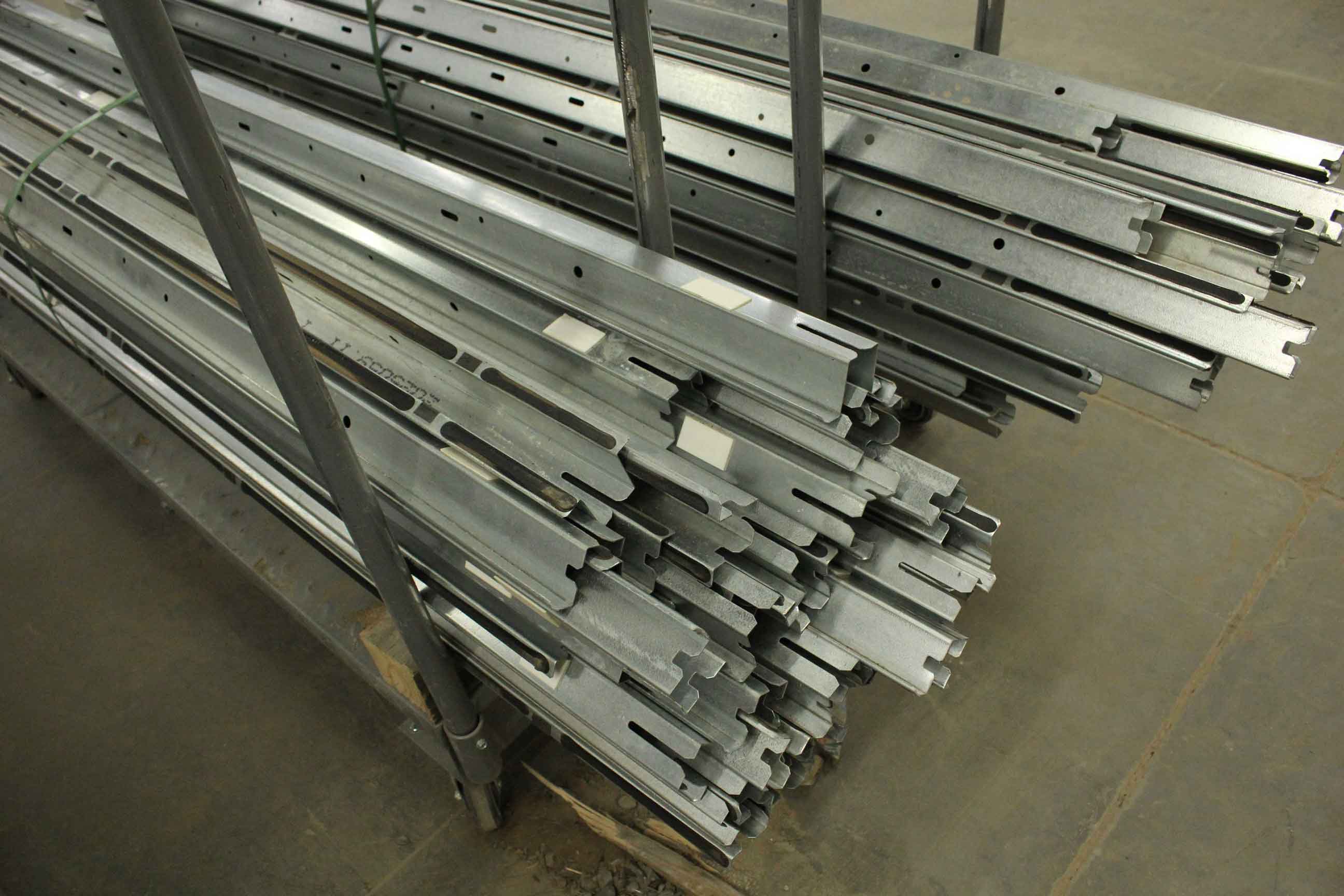
Highly recyclable without losing its essential properties, recovered aluminum can be remelted and used to manufacture new solar panel frames, building materials, and other industrial products.
One of the most valuable materials recovered from solar panels, silver can be refined and reintroduced into manufacturing electronics, electrical components, and new photovoltaic technologies.
Jupiter’s industry defining de-glass technology recovers up to 100% of solar glass for productive reuse.
A valuable and highly recyclable conductor, recovered copper can be processed into new electrical wiring, renewable energy infrastructure, and industrial components.
A critical material in solar technology, recovered silicon can be refined for reuse in industrial applications and, when sufficiently purified, potentially in the production of new solar cells.
Jupiter holds ISO certification and participates in SEIA's National PV Recycling Program. Every project includes a Certificate of Recycling and documentation to support compliance, insurance, and sustainability reporting.
Jupiter is built for scale, with 8 certified U.S. facilities, nearly 1 million square feet of processing capacity, and more than 250 employees. Our field operations span the United States, and has supported over 400 projects for more than 120 customers nationwide. For national power providers, this means one streamlined, repeatable recycling program for all your assets.
Can solar panels be recycled?
How much does solar panel recycling cost?
Can damaged or broken solar panels be recycled?
Can Jupiter recycle an entire solar project, not just panels?