
From decommissioning to refurbishment and resale all the way through recycling and final metals return, Jupiter transforms retired assets into reusable components and refined critical materials.
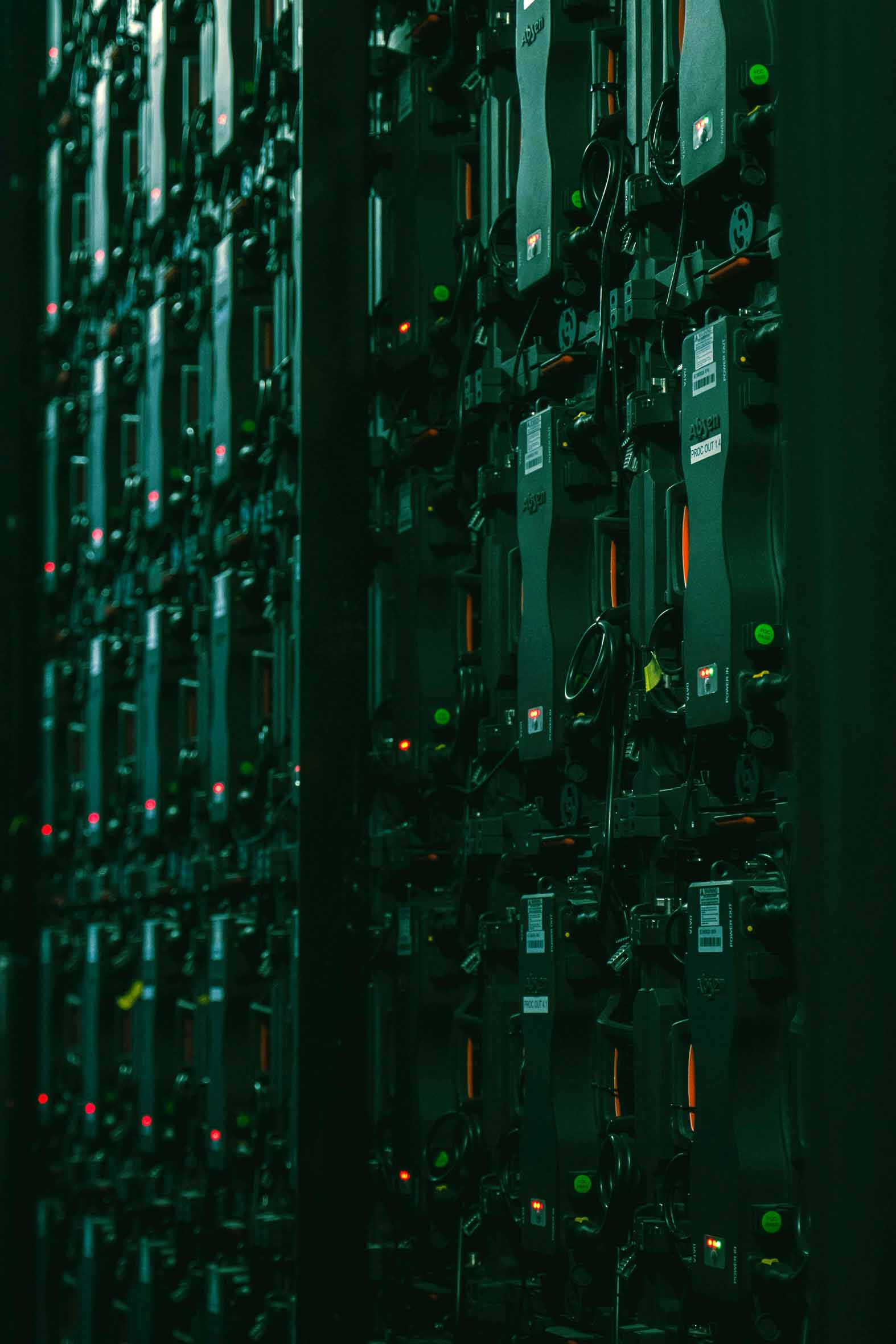
Working closely with your team to avoid disruption, we manage large-scale asset decommissioning: from site removal to packaging and transport. Our national network of facilities allows us to respond quickly to deploy shipping fleets and onsite field services teams according to your project schedule.
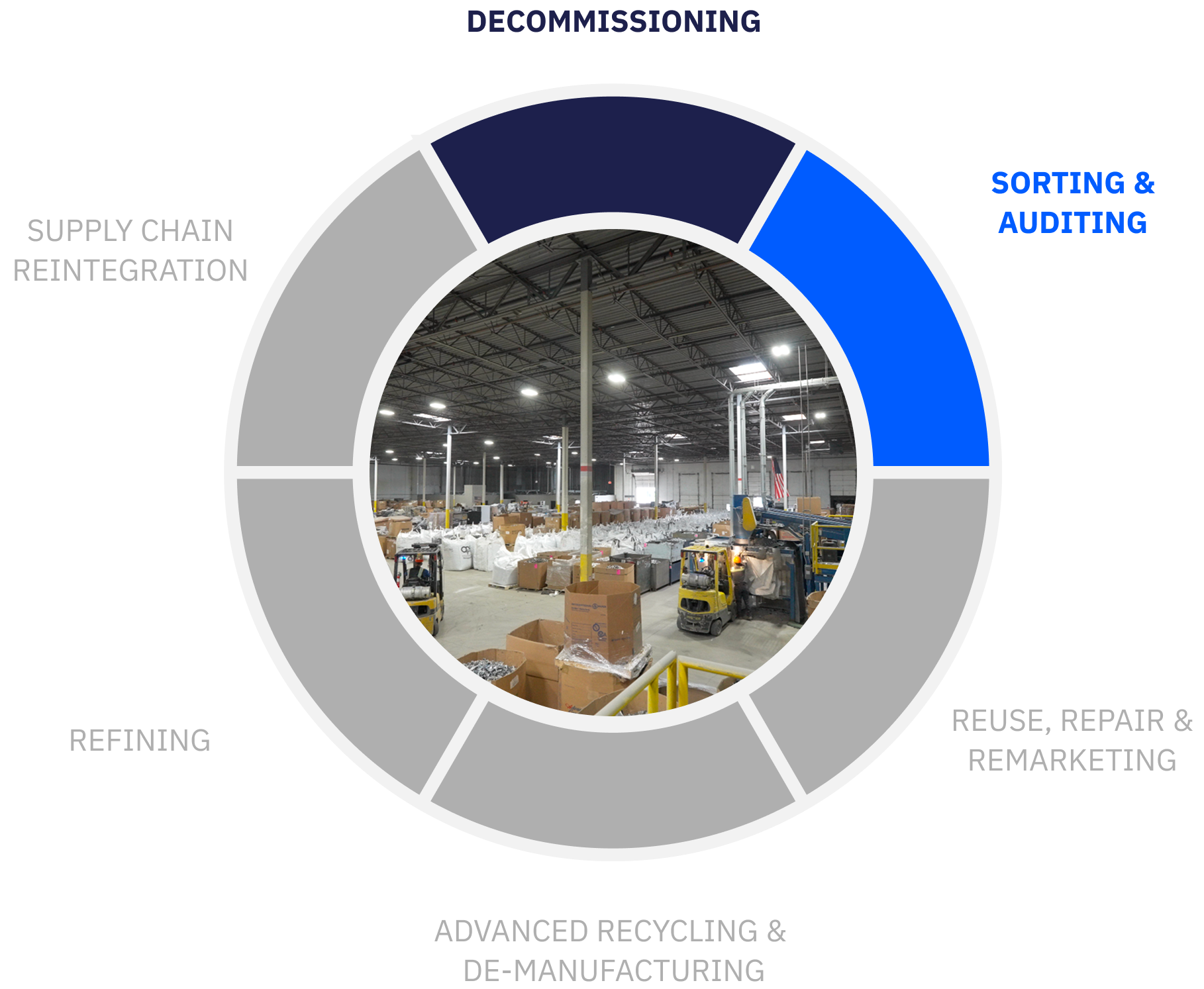
We start every engagement by carefully auditing your inventory, cataloging each device, and assessing its risk, condition, and remaining value. We then design the right path forward for every device, whether it needs complete de-manufacturing or can be securely redeployed or resold. For any IT Assets we guarantee certified data destruction. Our processes are designed to satisfy HIPAA, FACTA, SOX, GLBA, and state privacy laws.
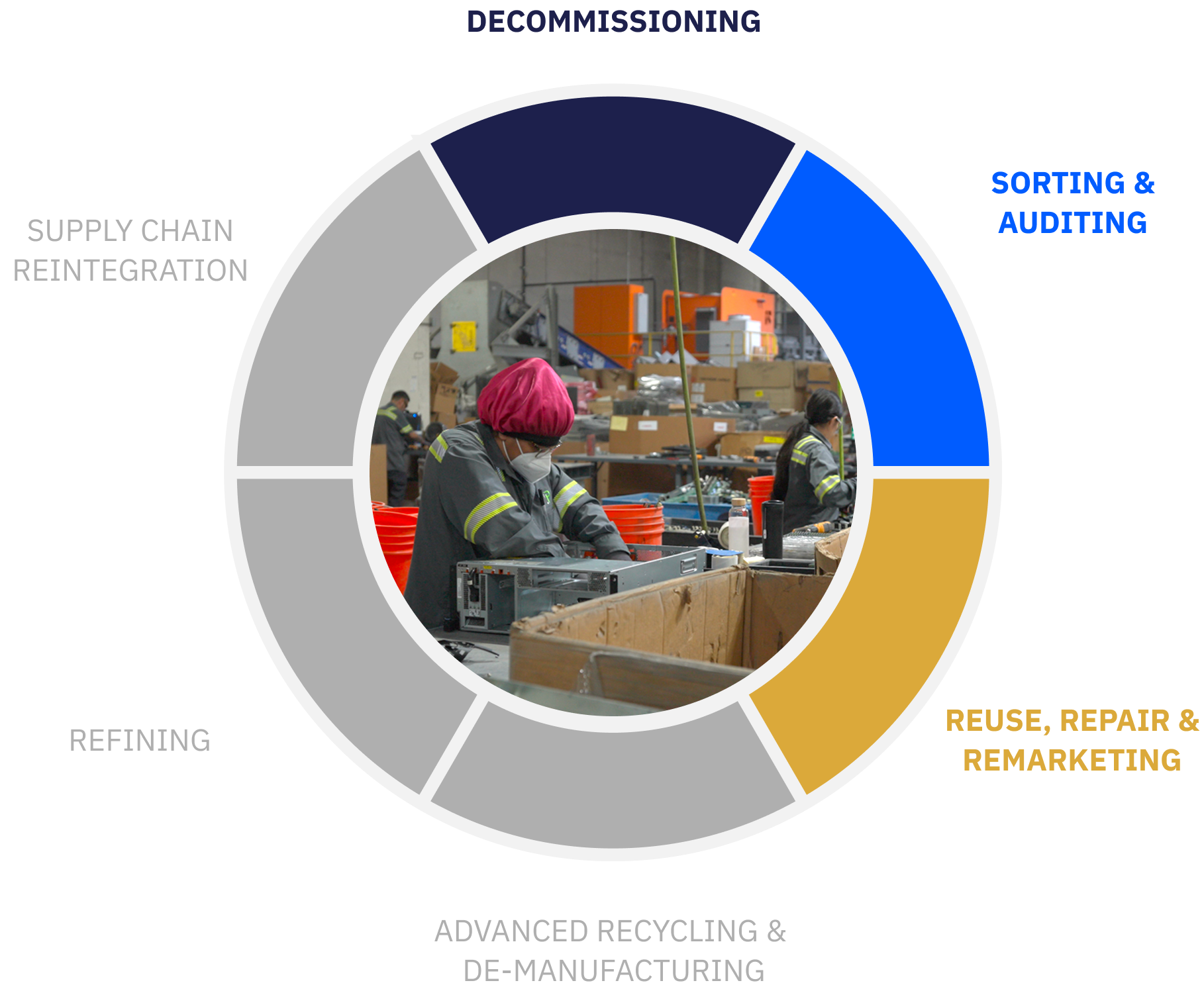
Many IT assets labeled end-of-life still have years of useful service ahead of them, and Jupiter’s reuse, repair, and remarketing services recover that value. Every device is assessed for condition, functionality, and market value. Assets worth saving are tested against manufacturer specifications, repaired and refurbished as needed, and put through certified NIST 800-88 data sanitization before they’re resold or donated, so your data never leaves with the device. Most energy assets are at true end-of -life and ready for de-manufacturing and recycling.
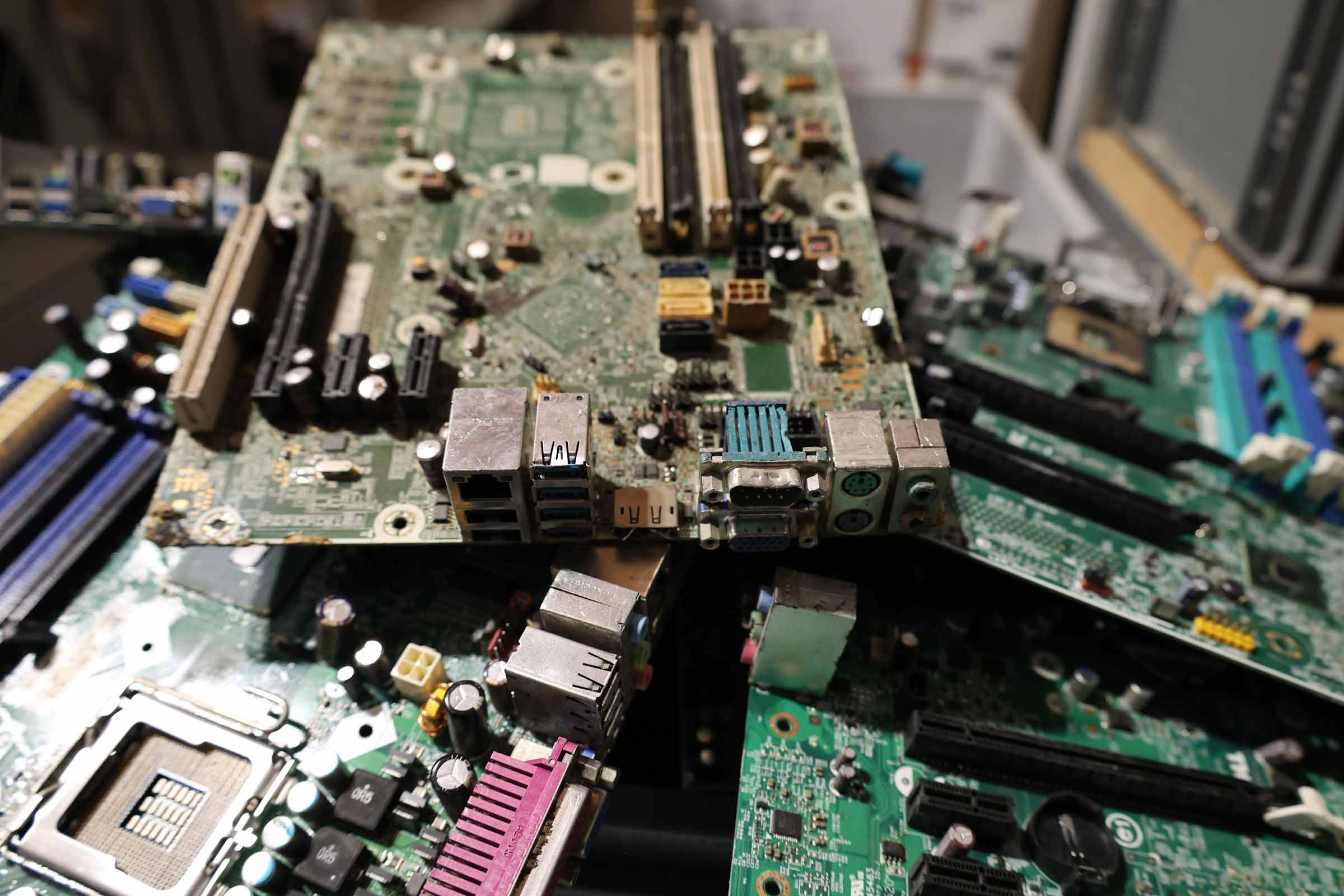
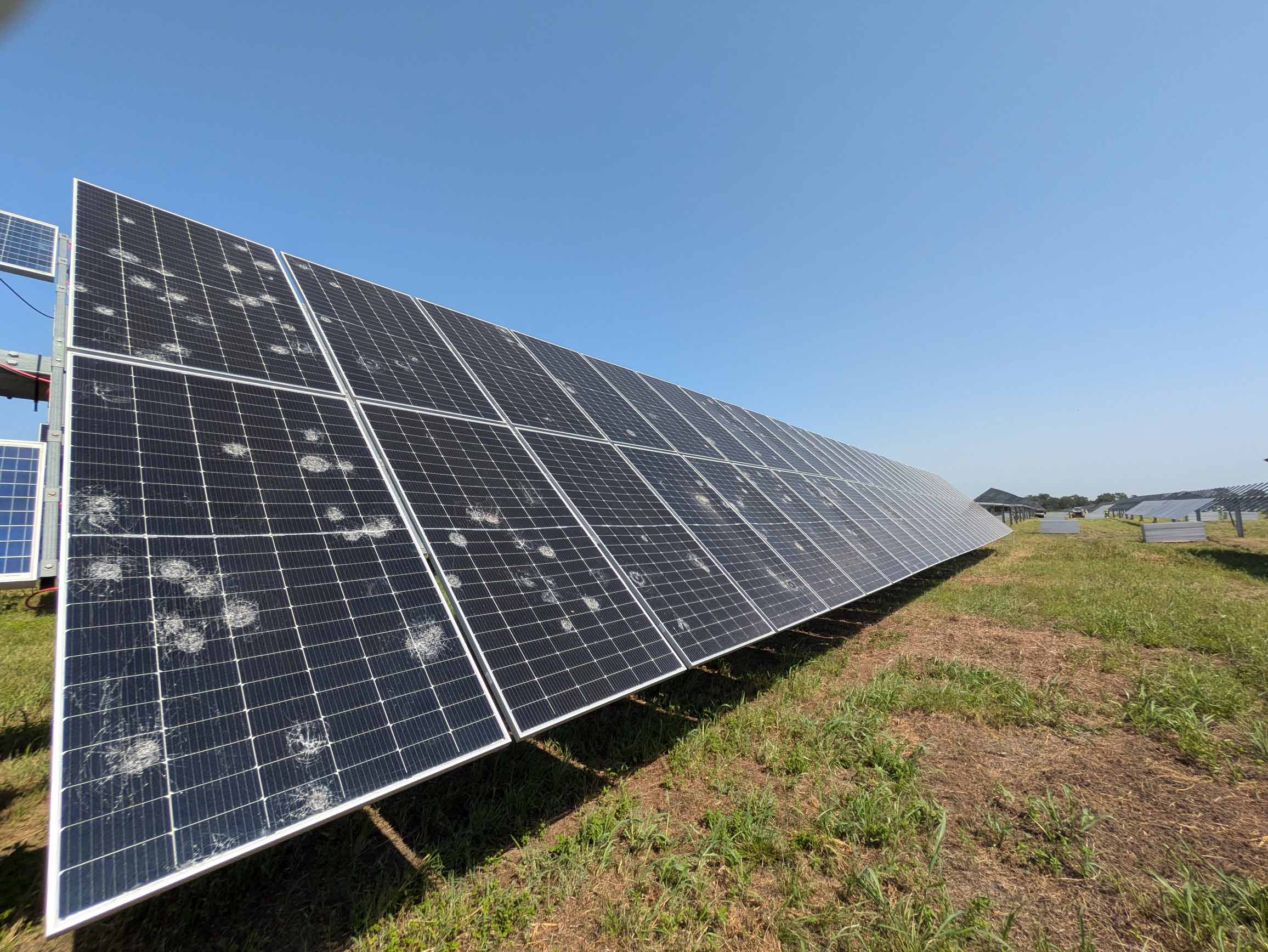
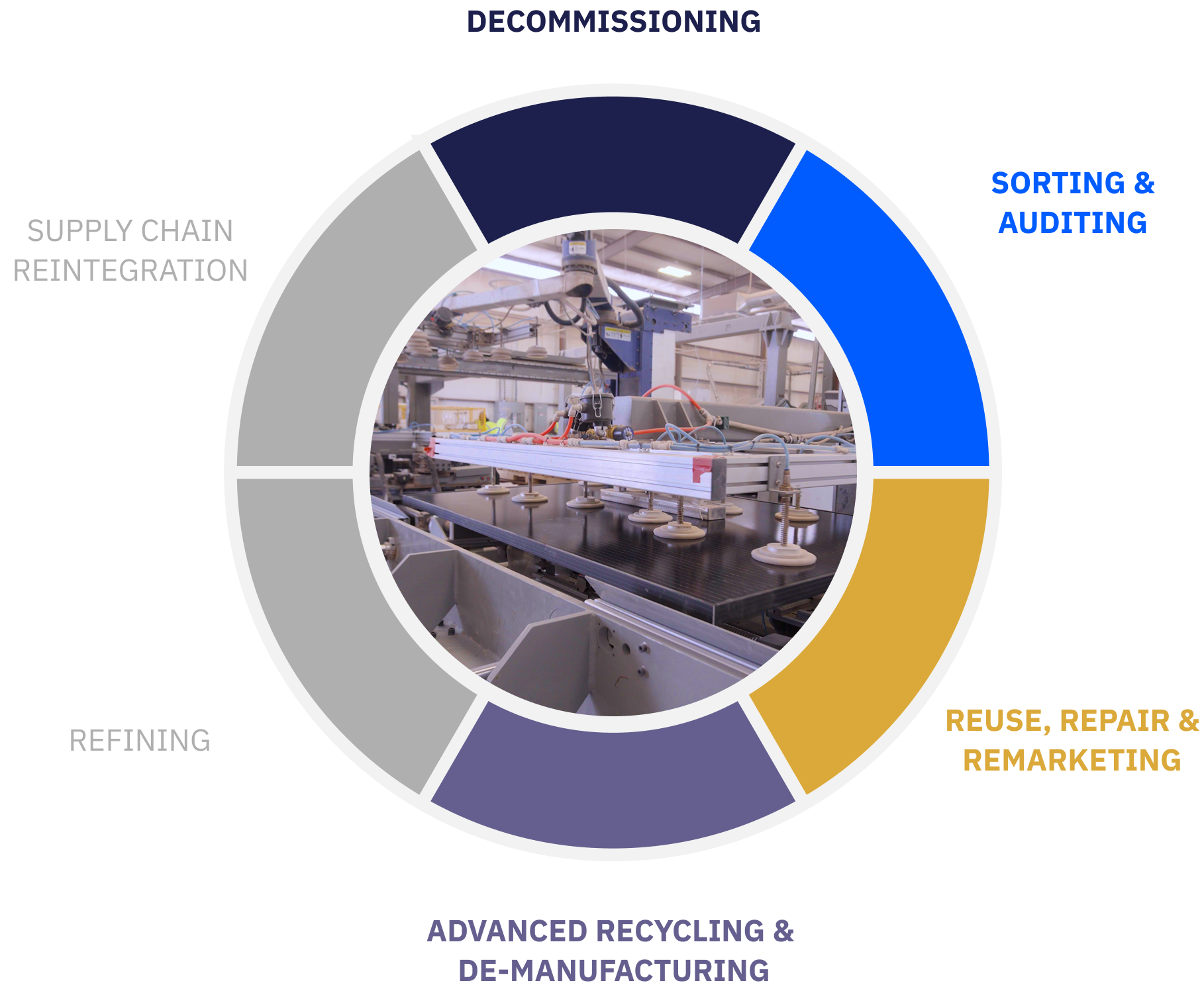
Assets that cannot be repaired and reused are sent to Jupiter recycling facilities, where they are shredded and then sorted using magnetic separators, eddy current separators, and AI-powered robotic pickers that enable high-throughput precision recovery of printed circuit boards from mixed metal streams. This allows for maximum recovery and minimizes waste. Jupiter has acquired the patents developed by Solarcycle for solar-specific de-manufacturing including high-volume frame and glass removal before shredding.
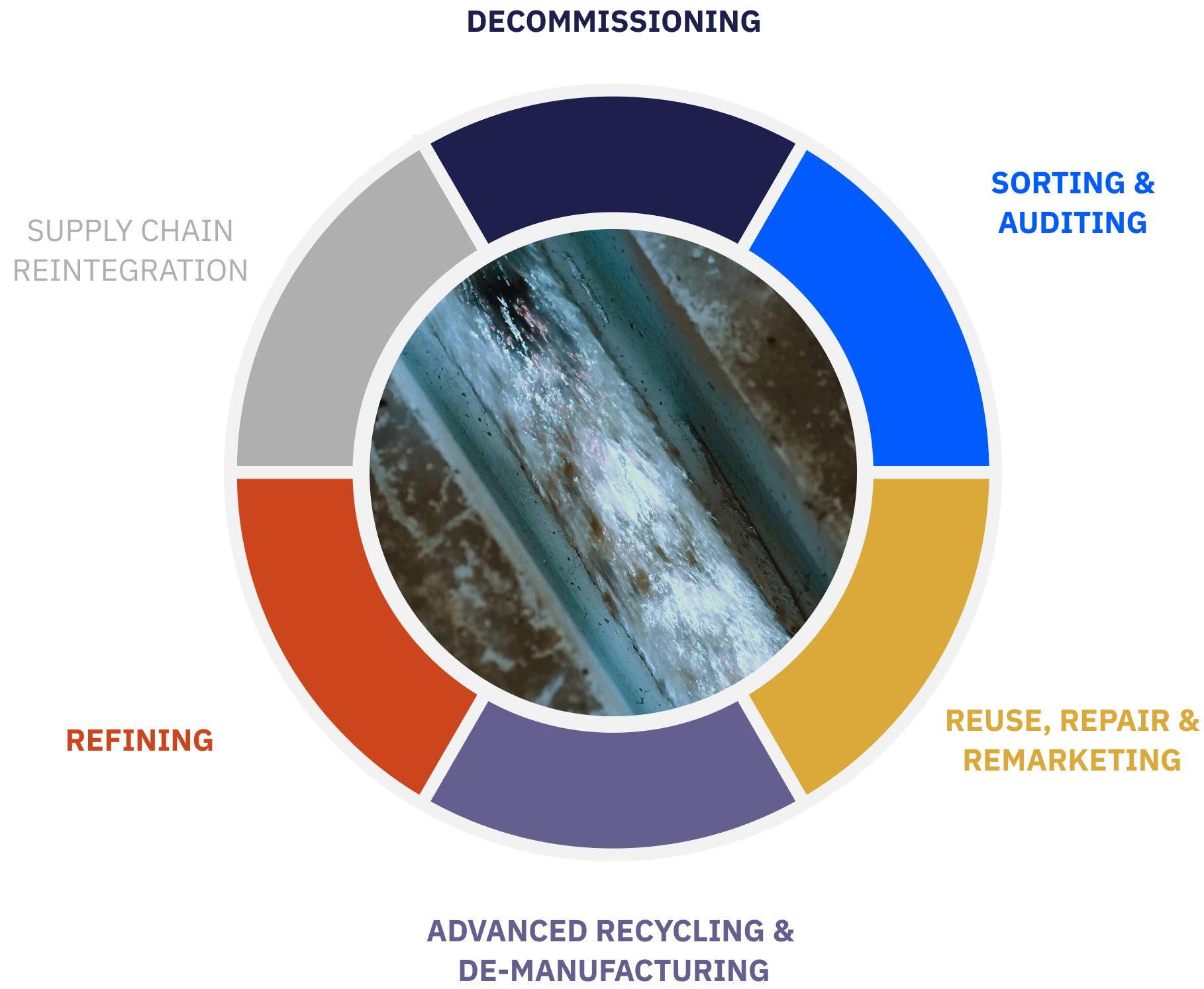
Once shredding and sorting are complete, the materials are sent to Korea Zinc’s TSL smelter. There, the circuit boards and recovered material are melted down so that metals like silver, gold, copper, and palladium can be extracted and refined into the forms manufacturers need most. Currently the primary smelter is in Onsan, South Korea and KZ will soon open a state-of-the-art e-waste optimized smelter in Tennessee in 2029.
Gold, copper, silver, palladium, and other critical minerals from your retired energy assets and electronics return to the supply chain as feedstock for the next generation of technologies. Each ton recovered is a ton that doesn’t have to be mined, strengthening global supply chains for high tech and energy manufacturers.
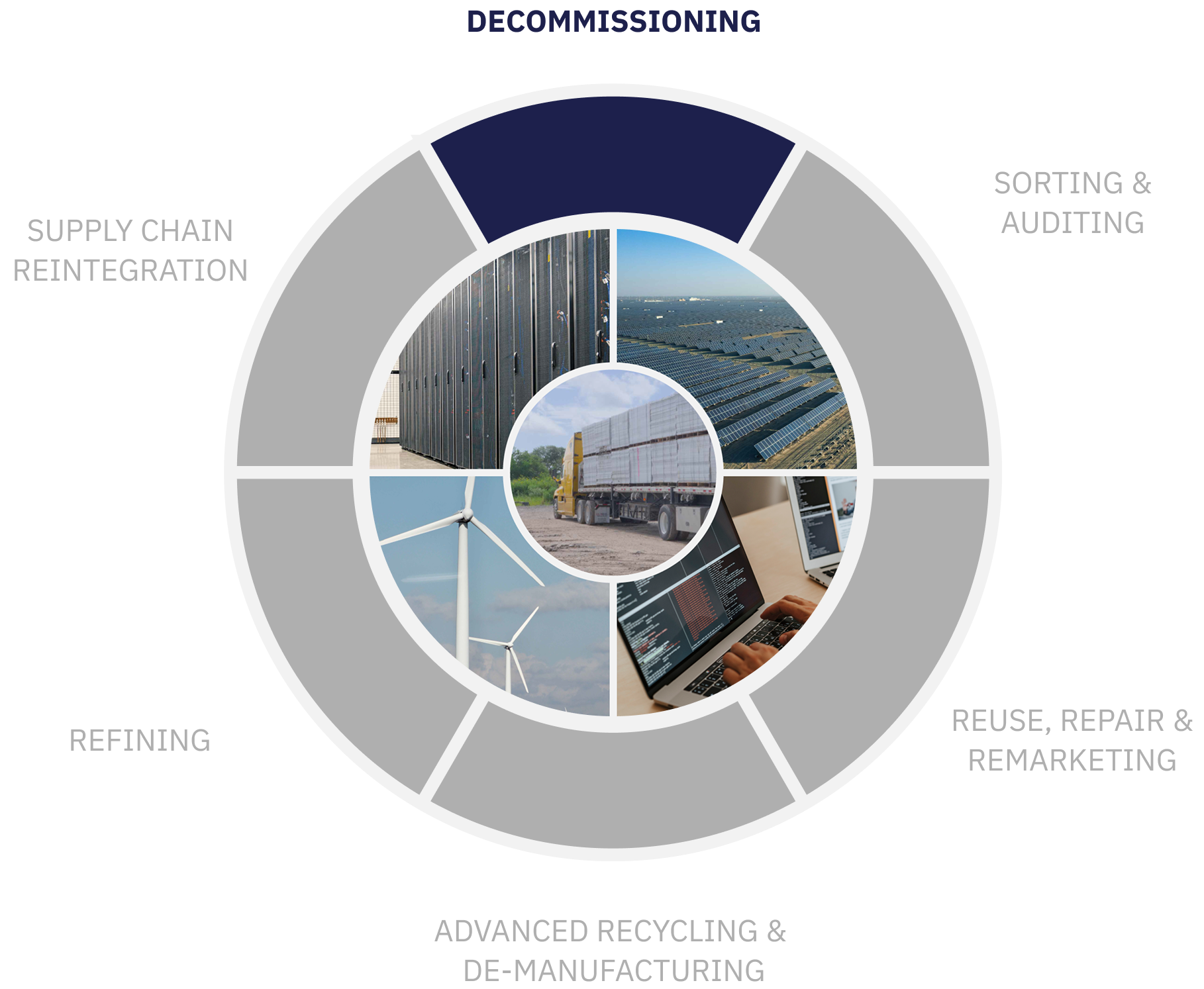
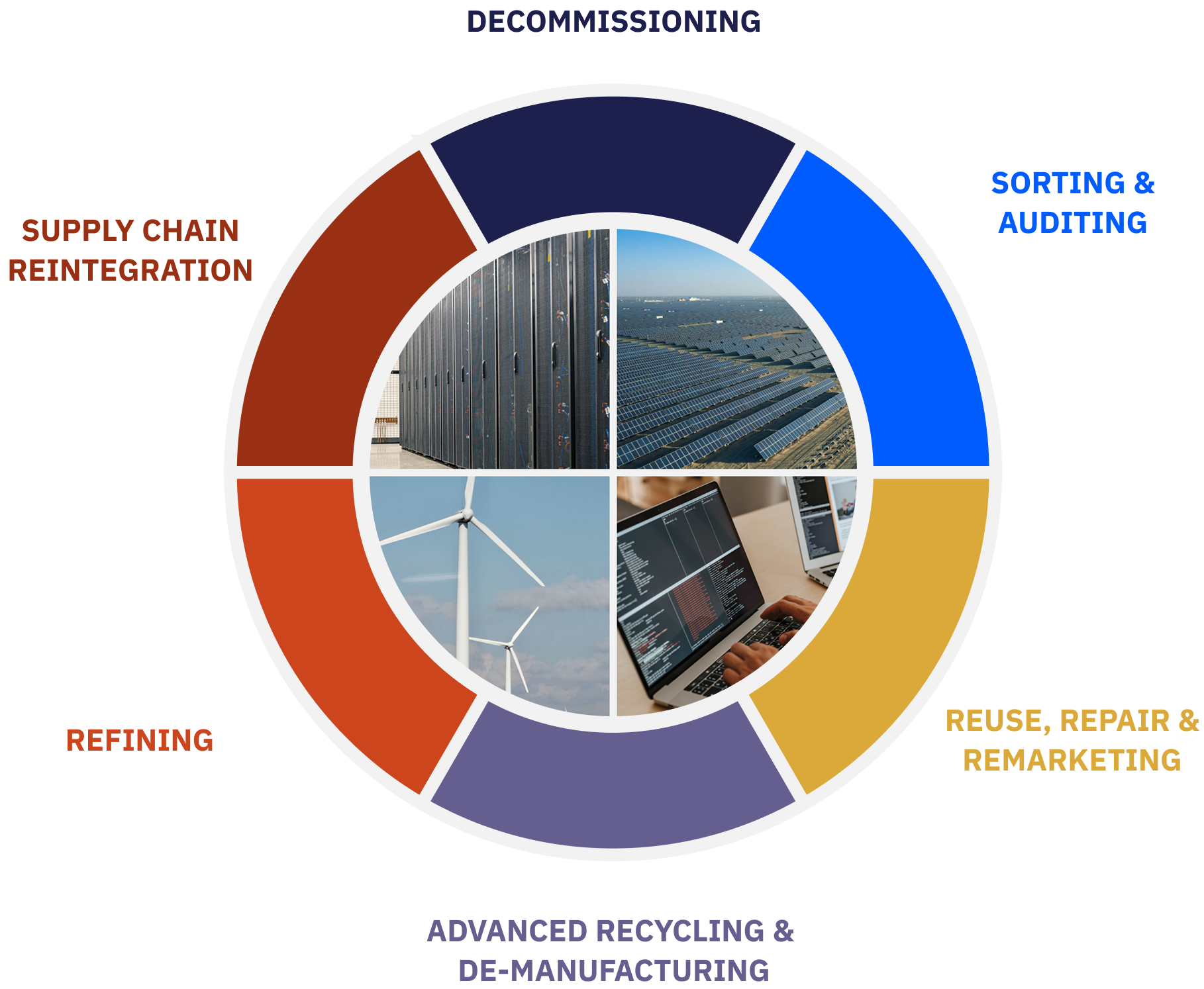
Working closely with your team to avoid disruption, we manage large-scale asset decommissioning: from site removal to packaging and transport. Our national network of facilities allows us to respond quickly to deploy shipping fleets and onsite field services teams according to your project schedule.
We start every engagement by carefully auditing your inventory, cataloging each device, and assessing its data risk, condition, and remaining value. We then design the right path forward for every device, whether it needs complete data destruction and de-manufacturing or can be securely wiped and redeployed or resold. Our processes are designed to satisfy HIPAA, FACTA, SOX, GLBA, and state privacy laws.
Many IT assets labeled end-of-life still have years of useful service ahead of them, and Jupiter’s reuse, repair, and remarketing services recover that value. Every device is assessed for condition, functionality, and market value. Assets worth saving are tested against manufacturer specifications, repaired and refurbished as needed, and put through certified NIST 800-88 data sanitization before they’re resold or donated, so your data never leaves with the device.
Assets are processed into distinct material streams by advanced, R&D driven technology that achieves 100% landfill diversion and up to 98% metal recovery through our patented processes. Jupiter handles our recycling domestically and securely – as a subsidiary of Korea Zinc, we have every incentive to keep your e-waste, track it, and recycle it correctly to recover the most value out of metals like gold, copper, and palladium as feedstock for domestic manufacturing. We back our recycling process with the industry’s most demanding certifications, including eStewards
Materials extracted from the recycling process that can be further refined are sent to Korea Zinc’s smelting facility in Onsan, South Korea. There, the leftover materials are given a second life and transformed into a new, recycled form to be reintroduced into the supply chain.
Gold, copper, silver, palladium, and other critical minerals from your retired electronics return to the supply chain as feedstock for the next generation of technologies. Each ton recovered is a ton that doesn’t have to be mined, strengthening domestic supply for American manufacturers.
Customers today face a very fragmented set of solutions, focused on just one part of the end-of-life value chain. Retired assets may change hands dozens of times which complicates traceability, increases risk, and creates inefficiencies for enterprises managing large volumes of e-waste. Jupiter takes a new approach: we’ve vertically integrated the most advanced circularity services in the U.S. to deliver end-to-end material recovery with a single platform and eliminate handoffs between parties.